Now accepting new patients for virtual consults for BHRT across Ontario

PRP Therapy for Skin and Hair in Waterdown

Platelet-rich plasma therapy uses components prepared from your own blood as part of a personalized skin-rejuvenation or hair-restoration treatment. At Visage Rejuvenation in Waterdown, PRP may be recommended for selected concerns involving skin texture, early signs of aging, acne scarring or certain types of hair thinning.

Every PRP treatment begins with a consultation. Your practitioner will review your concerns, health history, medications and goals before determining whether PRP is an appropriate option for you.

What Is Platelet-Rich Plasma?

Platelet-rich plasma, commonly called PRP, is prepared from a small sample of your own blood. The sample is processed in a centrifuge to separate and concentrate the platelet-containing portion of the plasma.

Platelets are involved in the body’s normal clotting and tissue-repair processes. They contain growth factors and other proteins associated with healing and cell signalling. When prepared PRP is administered to a targeted area, it is intended to support a localized regenerative response.

The way PRP is prepared and applied may differ depending on the treatment area, individual concerns and the technique recommended by your practitioner.

What Concerns May PRP Help Address?

PRP may be incorporated into treatment plans for concerns such as:

  • Uneven or rough-looking skin texture
  • The appearance of fine lines
  • Dull or tired-looking skin
  • Selected types of acne scarring
  • Crepey-looking skin in certain areas
  • The appearance of enlarged pores
  • Certain forms of hair thinning
  • Reduced-looking hair density

PRP is not a universal treatment for every skin concern or cause of hair loss. Results vary, and no particular outcome can be guaranteed.

PRP for Skin Rejuvenation

PRP may be used to support gradual improvements in the appearance and overall quality of the skin. Depending on the concern, it may be administered through targeted injections or incorporated into a treatment plan with microneedling.

PRP skin treatments may be considered for the face, under-eye area, neck or other suitable areas following an assessment. The goal is generally to encourage a gradual regenerative response rather than create an immediate or dramatic change.

Potential improvements may include smoother-looking texture, a refreshed appearance and a reduction in the visibility of selected fine lines or acne scars. The type and extent of change will differ between clients.

PRP and Microneedling

PRP may be combined with microneedling when appropriate. Microneedling creates controlled microchannels in the skin, while PRP is incorporated into the treatment according to the practitioner’s chosen technique.

This combination is sometimes informally called a “Vampire Facial.” It is different from PRP that is injected directly into specific areas. Your practitioner can explain which approach may be better suited to your skin and goals.

PRP for Hair Thinning

Scalp PRP may be considered for some adults experiencing certain forms of hair thinning. Prepared PRP is administered to targeted areas of the scalp with the goal of supporting the environment around existing hair follicles.

Hair loss can have many possible causes, including genetics, hormonal changes, medications, nutritional deficiencies, stress and underlying health conditions. PRP is therefore not suitable for every type of hair loss.

An assessment is important before treatment begins. Your practitioner may recommend that you consult another healthcare professional or complete additional testing if the cause of your hair loss requires further investigation.

Changes associated with scalp PRP generally take time to assess. Hair growth occurs in cycles, so several months may be required before any noticeable change in density or shedding can be evaluated.

What Happens During a PRP Appointment?

Although appointments may vary, PRP treatment generally involves the following stages:

Consultation and Assessment

Your practitioner will discuss your concerns, medical history, current medications, supplements and previous treatments. This assessment helps determine whether PRP is appropriate and which treatment approach may be recommended.

Blood Collection

A small amount of blood is collected using a process similar to a routine blood test.

PRP Preparation

The blood sample is placed in a centrifuge, which separates its components and allows the platelet-containing plasma to be prepared for treatment.

Treatment

The prepared PRP is administered to the selected area. Depending on your treatment plan, this may involve targeted injections or its use alongside microneedling. A topical numbing product may be used when appropriate to help manage discomfort.

Aftercare Review

Before you leave, your practitioner will explain how to care for the treatment area and what temporary effects you may experience.

Consultation and Assessment

Your practitioner will discuss your concerns, medical history, current medications, supplements and previous treatments. This assessment helps determine whether PRP is appropriate and which treatment approach may be recommended.

Blood Collection

A small amount of blood is collected using a process similar to a routine blood test.

PRP Preparation

The blood sample is placed in a centrifuge, which separates its components and allows the platelet-containing plasma to be prepared for treatment.

Treatment

The prepared PRP is administered to the selected area. Depending on your treatment plan, this may involve targeted injections or its use alongside microneedling. A topical numbing product may be used when appropriate to help manage discomfort.

Aftercare Review

Before you leave, your practitioner will explain how to care for the treatment area and what temporary effects you may experience.

The total appointment time depends on the area being treated and the application method. Our team will provide more specific timing when your treatment is booked.

When Might PRP Results Become Noticeable?

PRP does not normally produce an immediate final result. Any changes are expected to develop gradually as the treated area responds.

Clients receiving PRP for skin concerns may begin noticing changes over the weeks following treatment. Scalp treatments generally require a longer evaluation period because changes in hair growth may take several months to become apparent.

Some clients may be advised to complete a series of appointments followed by occasional maintenance treatments. The recommended schedule depends on the treatment area, individual response and intended goals.

PRP does not work for everyone, and results cannot be predicted or guaranteed.

Is There Downtime After PRP?

Downtime varies according to the treatment area and the way PRP is administered. Many clients can return to regular activities relatively soon, although temporary visible effects may occur.

After skin or scalp PRP, you may experience:

  • Redness
  • Swelling
  • Tenderness
  • Bruising
  • Minor bleeding at injection sites
  • Tightness or sensitivity
  • Temporary scalp discomfort or headache following scalp treatment

These effects are generally temporary. Your practitioner will explain what is expected for your particular treatment and when you should contact the clinic.

Possible Risks and Treatment Considerations

PRP is prepared from your own blood, but treatment still involves blood collection, skin penetration and injections. As with any procedure of this nature, side effects and complications are possible.

In addition to temporary redness, swelling, tenderness and bruising, less common complications may include infection, prolonged discomfort, irritation or injury to surrounding tissue. There may also be risks associated with numbing products or other materials used during treatment.

PRP may not be recommended, or may require additional medical assessment, for individuals with certain blood or platelet disorders, active infections, some underlying health conditions or medications that affect clotting.

Your practitioner will review the anticipated benefits, limitations, alternatives and relevant risks before proceeding.

Who May Be a Candidate for PRP?

PRP may be considered for adults who:

  • Want gradual, natural-looking skin rejuvenation
  • Are concerned about skin texture or early signs of aging
  • Have selected types of acne scarring
  • Are experiencing a potentially suitable form of hair thinning
  • Understand that results vary and may develop slowly
  • Are willing to follow the recommended treatment and aftercare plan

A consultation is required because suitability depends on more than the visible concern. Your medical history, medications, platelet health, treatment expectations and underlying cause of hair loss or skin changes must also be considered.

Your practitioner will provide instructions based on your treatment area and medical history. General preparation may include:

  1. Provide a complete and accurate medical history.
  2. Tell your practitioner about all prescription medications, non-prescription medications and supplements you take.
  3. Do not stop aspirin, anticoagulants, antiplatelet medications or any other prescribed medication unless directed by the healthcare professional who prescribed it.
  4. Follow the clinic’s guidance regarding skincare products, alcohol and physical activity before your appointment.
  5. Arrive adequately hydrated unless a healthcare professional has advised you to restrict fluids.
  6. Arrive with the treatment area clean and free from makeup, lotions or styling products when requested.
  7. Inform the clinic if you develop an illness, infection, rash or irritation before your appointment.

Please contact Visage Rejuvenation if you are uncertain about any of your preparation instructions.

Your practitioner’s individualized instructions should always take priority. General aftercare may include:

  1. Avoid touching, rubbing or applying unnecessary pressure to the treated area.
  2. Follow your practitioner’s directions regarding makeup, skincare products, hair washing and scalp products.
  3. Protect treated skin from excessive sun exposure and use suitable sun protection when advised.
  4. Avoid strenuous exercise, excessive heat or other activities that may increase irritation for the period recommended by your practitioner.
  5. Do not stop or alter prescribed medications without consulting the healthcare professional who prescribed them.
  6. Avoid adding unapproved products or treatments to the area while it is recovering.
  7. Contact the clinic if you experience unexpected, severe or worsening symptoms.
  8. Attend any recommended follow-up appointments.

After scalp PRP, your practitioner may recommend avoiding hair washing and scalp products for approximately 24 hours to help minimize irritation at the injection sites.

PRP Therapy FAQs

Treatments That May Complement PRP

PRP may be used on its own or as one part of a personalized skin or hair treatment plan. Depending on your concerns, your practitioner may discuss microneedling, professional facial treatments, medical-grade skincare or other appropriate services.

Recommendations are based on your assessment, health history, desired outcome and tolerance for downtime.

Book a PRP Consultation in Waterdown

If you are considering PRP for skin rejuvenation or certain types of hair thinning, begin with a personalized consultation at Visage Rejuvenation.

Our team will assess your concerns, explain the available treatment approaches and help you understand the potential benefits, limitations, risks, recovery and expected timeline before you decide whether to proceed.

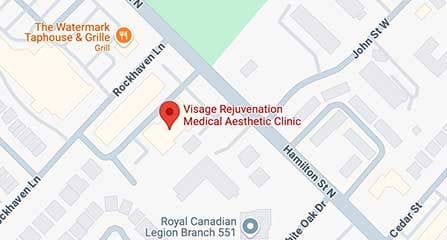
Visage Rejuvenation is located at 95 Hamilton Street North, Unit 7, in Waterdown and welcomes clients from Waterdown, Hamilton, Burlington and surrounding communities.

The information on this page is provided for general educational purposes and does not replace individualized medical advice. Treatment suitability, recommendations, risks and results vary between individuals.
 

Medically reviewed by Nicole Francis, Nurse Practitioner
Last medically reviewed: September, 2026

Business Hours

Monday: 9:00 am - 5:00 pm

Tuesday: 9:00 am - 5:00 pm

Wednesday: 9:00 am - 5:00 pm

Thursday: 9:00 am - 7:00 pm

Friday: 9:00 am - 5:00 pm

Saturday: 11:00 am - 3:00 pm

Sunday: Closed