When many people picture menopause, they think of hot flashes and the end of monthly periods. Those are important parts of the transition, but they are far from the whole story.
As estrogen and other hormone levels fluctuate and eventually decline, changes may be felt throughout the body. Skin can become drier. Hair may feel thinner. Sleep can become less predictable. Some women notice urinary urgency, mood changes, brain fog, a different body-fat distribution or greater difficulty maintaining their usual weight.
These experiences are common, but they are not identical for everyone. Some women have few concerns, while others experience symptoms that interfere with work, relationships, exercise, sleep or confidence. Symptoms can also change as a person moves from perimenopause into menopause and postmenopause.
October is Menopause Awareness Month, and World Menopause Day is recognized on October 18. It is a valuable opportunity to have more open conversations about this natural stage of life. Those conversations matter year-round, however. Understanding what may be changing—and which symptoms deserve medical attention—is an important first step toward finding the right support.
What Is Menopause?
Menopause is reached after a woman has gone 12 consecutive months without a menstrual period, when there is no other medical explanation for the change. In Canada, the average age is approximately 51, although timing varies.
The years leading up to menopause are called perimenopause. During this transition, the ovaries produce hormones less consistently. Periods may become shorter, longer, lighter, heavier or less predictable. Hot flashes, night sweats, sleep disruption, breast tenderness, headaches, mood changes and other symptoms may begin even while periods are still occurring.
After the 12-month point, a woman is considered postmenopausal. Some symptoms settle over time, while others—particularly vaginal dryness, urinary concerns, changes in bone density and changes related to lower estrogen—may persist or become more noticeable.
Menopause is not an illness. It is a normal biological transition. That does not mean disruptive symptoms should simply be ignored or endured. A thoughtful assessment can help separate likely menopause-related changes from other health concerns and identify appropriate options.
Why Menopause Can Affect So Many Parts of the Body
Estrogen does much more than regulate the menstrual cycle. Estrogen receptors are found in tissues throughout the body, including the skin, bones, brain, blood vessels, urinary tract and genital tissues. As hormone levels fluctuate and decline, the effects can therefore extend well beyond periods and temperature regulation.
Aging is occurring at the same time, too. Stress, sleep, nutrition, movement, medications, genetics and existing health conditions all influence how a person feels during midlife. This is why it can be misleading to blame every new symptom on menopause—or to assume that one treatment will address every concern.
A personalized approach begins with the full picture: symptoms, menstrual history, medical history, family history, medications, lifestyle, goals and any appropriate examinations or laboratory testing.
Menopause and Your Skin
Skin often changes during perimenopause and after menopause. Lower estrogen levels are associated with reduced collagen, elasticity, natural oils and water retention. The result may be skin that feels drier, thinner, more sensitive or less firm than it once did.
Common menopause skin changes may include:
Increased dryness, tightness or flaking
More visible fine lines and wrinkles
Loss of firmness or elasticity
A duller or rougher texture
Greater sensitivity to products that were previously well tolerated
Slower-looking recovery after irritation
More noticeable sun damage or uneven pigmentation
Occasional adult acne as the hormonal balance changes
Sun exposure remains one of the most important drivers of premature skin aging and pigmentation. A broad-spectrum sunscreen used consistently can help protect collagen and reduce additional discolouration. Gentle cleansing, regular moisturization and carefully selected active ingredients can also support the skin barrier.
This may be a good time to reassess a skincare routine. Products that worked well in a person’s thirties may feel too drying or no longer address current goals. Medical-grade skincare can be selected according to skin type, sensitivity, pigmentation and tolerance rather than following a one-size-fits-all routine.
Professional skin treatments may also be considered for specific concerns such as texture, pigmentation, fine lines or loss of firmness. The best option depends on the condition of the skin, medical history, downtime preferences and realistic goals. A consultation is especially useful because more aggressive treatment is not automatically better for dry, sensitive or pigment-prone skin.
Menopause and Hair Changes
Hair growth occurs in cycles. Hormonal shifts can affect those cycles, and some women notice increased shedding, a wider part, reduced density, less volume or a change in texture during midlife. Hair may also feel drier or become more prone to breakage.
At the same time, unwanted facial hair can become more noticeable for some women as the relative balance between estrogen and androgens changes.
Not all hair loss is caused by menopause. Thyroid disorders, low iron, rapid weight loss, illness, significant stress, genetics, scalp conditions and certain medications can also contribute. Sudden hair loss, patchy hair loss, scalp inflammation or ongoing heavy shedding should be assessed by an appropriate healthcare professional.
Helpful foundational steps may include adequate protein and nutrient intake, gentle hair care, avoiding excessive heat or traction, and reviewing possible medical causes. A clinician can advise whether further investigation or treatment is warranted rather than relying on unproven supplements.
Menopause, the Bladder and Pelvic Health
Changes in bladder and vaginal health are common, but they are not always discussed openly. Declining estrogen can affect the vulva, vagina, urethra and bladder. Collectively, these changes are often called the genitourinary syndrome of menopause, or GSM.
Possible symptoms include:
Vaginal dryness, burning or irritation
Discomfort during sexual activity
Urinary urgency or frequency
Waking during the night to urinate
Leakage with coughing, laughing, exercise or sudden urgency
Recurrent urinary tract infections
Changes in sexual comfort or function
These concerns can affect exercise, travel, intimacy, sleep and everyday confidence. They are also treatable. Options may include vaginal moisturizers or lubricants, pelvic-floor physiotherapy, bladder strategies, prescription local vaginal hormone therapy for appropriate patients, and other therapies based on the cause.
Visage Rejuvenation offers the EMSELLA Chair, a non-invasive treatment designed to stimulate pelvic-floor muscle contractions while the patient remains fully clothed. It may be considered for certain forms of urinary incontinence and pelvic-floor weakness after an appropriate assessment.
EMSELLA does not replace evaluation for infection, blood in the urine, pelvic pain, prolapse or other medical causes of urinary symptoms. It also does not directly treat the vaginal and urinary-tissue changes caused by low estrogen. The right plan may involve pelvic-floor treatment, medical therapy or a combination of approaches.
Burning with urination, fever, new back or flank pain, visible blood in the urine, or a sudden change in bladder control should be assessed promptly.
Menopause, Mood and Brain Fog
Hormonal fluctuations can influence mood and cognition. Some women report irritability, anxiety, feeling emotionally overwhelmed, reduced motivation, difficulty concentrating, forgetfulness or the familiar experience often described as “brain fog.”
The relationship is not always simple. Poor sleep, night sweats, work pressure, caregiving responsibilities, changing relationships and other midlife stresses may all contribute. A previous history of depression, anxiety, severe premenstrual symptoms or postpartum mood concerns can also be relevant.
Brain fog during the menopause transition does not automatically mean dementia. Still, significant or rapidly worsening cognitive changes should be discussed with a healthcare provider so that other causes can be considered.
Support may include regular physical activity, stress-management strategies, counselling, protecting sleep, addressing hot flashes and reviewing medical treatment options. Persistent low mood, panic, loss of interest in usual activities or thoughts of self-harm require timely professional care.
Menopause and Sleep
Sleep can be disrupted by night sweats, but temperature symptoms are only one part of the picture. Some women have trouble falling asleep, wake frequently, wake earlier than intended or no longer feel refreshed in the morning.
Poor sleep can then amplify other concerns, including fatigue, irritability, appetite changes, reduced concentration and difficulty exercising. Snoring, gasping during sleep, restless legs and severe daytime sleepiness may point to a sleep disorder that deserves separate evaluation.
Practical sleep support can include:
Keeping a consistent sleep and wake time
Maintaining a cool, dark bedroom
Reducing alcohol close to bedtime, particularly if it triggers night sweats
Limiting late-day caffeine
Getting regular daytime movement
Creating a wind-down routine that reduces screen use and mental stimulation
Seeking treatment for disruptive hot flashes, anxiety or urinary symptoms
If insomnia has become chronic, cognitive behavioural therapy for insomnia is an evidence-based option worth discussing. Treating sleep as a health concern—not simply an inconvenience—can improve quality of life throughout the menopause transition.
Menopause, Weight and Body Composition
Many women notice that their body shape or weight changes in midlife, particularly around the abdomen. Menopause may influence fat distribution, while aging is also associated with gradual muscle loss and lower energy needs. Sleep disruption, stress, reduced activity, alcohol intake, medical conditions and some medications can make weight management more challenging.
It is important to separate body changes from personal blame. The solution is rarely an extreme diet or a short-term reset. A sustainable plan usually considers nutrition quality, adequate protein, resistance training, cardiovascular activity, sleep, stress and medical factors.
Menopausal hormone therapy is not prescribed as a weight-loss treatment. It may help certain menopause symptoms that make healthy routines more difficult, but it should not be presented as a direct weight-loss medication.
For some patients who meet medical criteria, prescription weight-management medications—including GLP-1-based therapies—may be considered as part of a supervised plan. These medications are not appropriate for everyone and can have side effects and contraindications. Visage Rejuvenation’s medical weight-loss program begins with an assessment and may include medication when clinically appropriate, together with ongoing monitoring and lifestyle support.
The goal should extend beyond a number on the scale. Preserving muscle, supporting metabolic health, improving mobility and choosing a plan that can be maintained are particularly important through midlife and beyond.
Menopause and Bone Health
Bone is living tissue that is continuously broken down and rebuilt. Estrogen helps regulate this process. When estrogen declines around menopause, bone loss can accelerate, increasing the long-term risk of osteoporosis and fractures.
Bone loss usually has no obvious symptoms until a fracture occurs, so prevention and screening matter. Factors that may increase risk include early menopause, a family history of osteoporosis, low body weight, smoking, higher alcohol intake, long-term use of certain medications, rheumatoid arthritis and previous low-trauma fractures.
Weight-bearing exercise, resistance training, balance work, adequate dietary calcium, sufficient vitamin D and avoiding smoking can support bone health. Whether a bone-density test is appropriate depends on age and individual risk factors. This is a useful topic to raise with a primary-care clinician.
Menopause and Cardiometabolic Health
Blood pressure, cholesterol, blood sugar and cardiovascular risk can change with age and across the menopause transition. Menopause is not the only cause, but it creates a useful moment to review preventive health.
Routine care may include checking blood pressure, reviewing cholesterol and diabetes risk, discussing movement and nutrition, and ensuring screening is current. Chest pain, sudden shortness of breath, one-sided weakness or other acute symptoms require emergency assessment.
Hormone therapy should not be started solely to prevent heart disease. Its potential benefits and risks depend on the individual, the reason for treatment, age, time since menopause, health history, route of administration and type of therapy.
Could These Symptoms Be Something Other Than Menopause?
Yes. Menopause can explain many changes, but it should not become a catch-all diagnosis.
Fatigue, hair loss, mood changes, weight changes, palpitations and sleep disruption may also be related to thyroid disease, anemia, nutrient deficiencies, diabetes, medication effects, sleep apnea, depression or other conditions. Urinary symptoms may indicate an infection or another bladder concern. New skin changes may need dermatologic assessment.
Most importantly, any vaginal bleeding after menopause should be medically evaluated. While there can be benign explanations, postmenopausal bleeding should never be assumed to be a normal hormone fluctuation.
A careful consultation helps identify which concerns fit the menopause transition, which require investigation and whether more than one factor is involved.
Treatment and Support Options for Menopause Symptoms
There is no single “best” menopause treatment for everyone. A personalized plan may combine lifestyle changes, non-hormonal therapies, menopausal hormone therapy, local vaginal treatment, pelvic-floor support, skincare or treatment for a separate health condition.
Menopausal hormone therapy and BHRT
Menopausal hormone therapy is the most effective treatment for bothersome hot flashes and night sweats, and it can also help prevent bone loss while it is being used. For women with a uterus, estrogen is generally combined with a progestogen to protect the uterine lining. Estrogen-only therapy may be appropriate after a hysterectomy, depending on the individual situation.
For many healthy women who are younger than 60 or within 10 years of their final menstrual period, the benefit-risk profile may be favourable when there are no contraindications. Suitability still requires an individualized assessment. Personal and family history—including unexplained bleeding, blood clots, stroke, heart disease, liver disease and hormone-sensitive cancers—must be reviewed.
The term bioidentical hormone replacement therapy, or BHRT, means the hormones have the same molecular structure as hormones produced by the human body. “Bioidentical” does not automatically mean natural, risk-free or better for every patient. Government-authorized, standardized hormone products are generally preferred over custom-compounded products when an appropriate approved option exists, because their dose, purity and safety are more consistently regulated.
Visage Rejuvenation offers BHRT consultations for patients seeking personalized support. A consultation should include a discussion of symptoms, goals, medical history, potential benefits, known risks, alternatives and follow-up—not simply a hormone prescription.
Non-hormonal approaches
Some women cannot use hormone therapy or prefer not to. Depending on the concern, non-hormonal options may include prescription medications for hot flashes, cognitive behavioural therapy, vaginal moisturizers and lubricants, pelvic-floor physiotherapy, sleep treatment, counselling, and targeted support for bone or cardiovascular health.
Botanical products and supplements can interact with medications, vary in quality and have side effects. “Natural” does not guarantee safe or effective. Discuss supplements with a qualified clinician or pharmacist, particularly if there is a history of cancer, liver disease, blood clots or regular medication use.
Pelvic-floor and bladder support
Bladder concerns deserve their own assessment. Pelvic-floor physiotherapy, bladder training, local vaginal therapy and EMSELLA may each have a role for selected patients. Treatment should match the type and cause of the symptoms rather than treating all leakage or urgency in the same way.
Medical weight-management support
When weight or metabolic health has become a concern, a medical assessment can review nutrition, activity, sleep, current medications, relevant conditions and realistic goals. If prescription treatment is appropriate, it should be combined with monitoring and a plan to preserve muscle and support long-term health. Learn more about Visage Rejuvenation’s weight-loss program.
Skincare and customized skin treatments
Menopause-related skin changes may respond to a routine built around barrier support, hydration, sun protection and carefully chosen active ingredients. Professional treatments can then be selected for specific concerns such as fine lines, uneven tone, texture or firmness. Explore medical-grade skincare options or arrange a consultation before introducing multiple products or procedures at once.
Preparing for a Menopause Consultation
It can be difficult to remember every concern during an appointment. A short symptom record can make the conversation more useful. Consider noting:
Changes in menstrual timing or flow
The frequency and severity of hot flashes or night sweats
Sleep patterns and energy levels
Mood, anxiety and concentration changes
Vaginal, sexual, urinary or pelvic-floor symptoms
Skin and hair changes
Weight, appetite, movement and body-composition concerns
Current medications and supplements
Personal and family medical history
The symptoms that most affect daily life
What you hope treatment will improve
If you still have periods, record the first day and duration of each cycle. Also note unusual bleeding, including bleeding after sex, very heavy bleeding or bleeding after menopause, as these require appropriate medical evaluation.
Frequently Asked Questions About Menopause
What are the first signs of perimenopause?
For many women, the first sign is a change in menstrual cycles. Periods may become irregular, closer together, farther apart, lighter or heavier. Hot flashes, night sweats, sleep changes, breast tenderness, headaches, mood changes, vaginal dryness or brain fog can also occur. Because these symptoms overlap with other conditions, an assessment may be helpful when changes are disruptive or unexpected.
How long do menopause symptoms last?
There is no universal timeline. Perimenopause can last several years, and the duration of symptoms varies widely. Hot flashes may improve over time, while vaginal and urinary symptoms related to low estrogen can continue or progress without treatment. Care should be based on current symptoms and health risks rather than an arbitrary deadline.
Does menopause cause weight gain?
Menopause can affect fat distribution, often shifting more fat toward the abdomen. Overall weight change is also influenced by aging, muscle loss, sleep, activity, nutrition, stress, medications and medical conditions. Hormone therapy is not a weight-loss treatment. A comprehensive plan is more useful than attributing every change to hormones alone.
Can menopause cause dry or aging skin?
Lower estrogen is associated with reduced collagen, elasticity, oil production and moisture retention. Skin may therefore become drier, thinner or less firm. Daily sun protection, barrier-supportive skincare and customized treatments may help address specific concerns.
Is hair thinning normal during menopause?
Hair shedding or thinning can occur during the menopause transition, but it should not automatically be dismissed as hormonal. Thyroid conditions, iron deficiency, stress, rapid weight change, medications and genetic hair loss are among the other possible causes. Persistent, sudden or patchy hair loss deserves assessment.
Can menopause affect bladder control?
Yes. Low estrogen can affect the vaginal and urinary tissues, while pelvic-floor weakness may contribute to leakage. Symptoms can include urgency, frequency, stress leakage and recurrent urinary tract infections. Because these concerns have different causes, treatment might involve local vaginal therapy, pelvic-floor physiotherapy, bladder training, medication, EMSELLA or another approach.
Is hormone therapy safe?
Hormone therapy can be an effective option for appropriately selected patients, but it is not right for everyone. Safety depends on a person’s age, time since menopause, symptoms, medical history, type and route of hormones, and treatment goals. A qualified clinician should review the expected benefits, risks, alternatives and follow-up plan.
When should I seek help for menopause symptoms?
Consider an appointment when symptoms affect sleep, work, exercise, relationships, sexual comfort, bladder control or quality of life—or whenever you are uncertain about what is happening. Seek timely medical attention for bleeding after menopause, very heavy or unusual bleeding, a breast lump, severe mood symptoms, blood in the urine, persistent pelvic pain or other concerning changes.
Feel More Informed and Supported Through Menopause
Menopause is a natural transition, but there is no reason to navigate significant symptoms alone. The most useful plan is one that considers the whole person: skin and hair, bladder and pelvic health, mood and sleep, bone and metabolic health, personal medical history and individual goals.
Visage Rejuvenation offers a range of personalized services that may support women through this stage, including BHRT consultations, EMSELLA pelvic-floor treatment, medically supervised weight-management options, medical-grade skincare and customized skin treatments. Recommendations are made according to clinical suitability; not every service is appropriate for every patient.
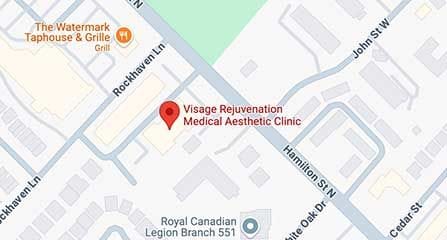
Book a consultation with Visage Rejuvenation in Waterdown to discuss your concerns, understand your options and create a plan designed around your needs.
This article is for general educational purposes and is not a substitute for diagnosis or individualized medical advice. Treatment eligibility, risks and results vary. Speak with a qualified healthcare professional about your symptoms and medical history.
Related posts